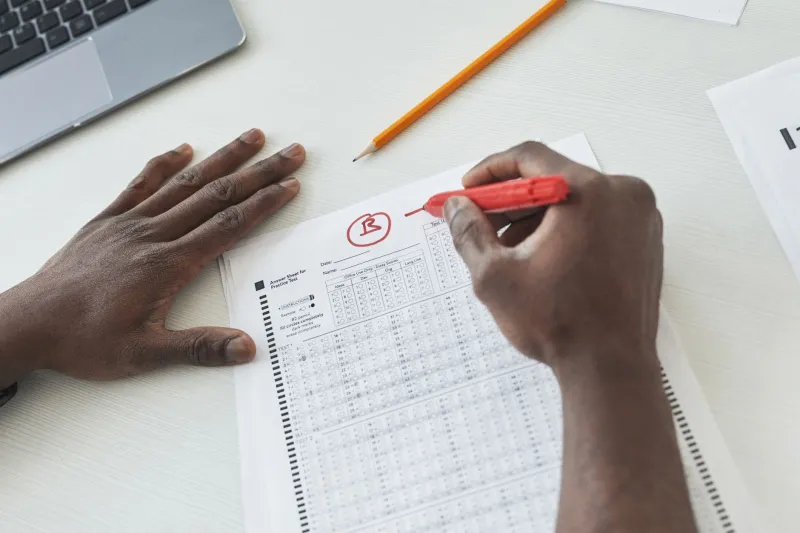
Banking Exam Practice Papers: Your Complete Resource Guide for Smarter Test Preparation

When it comes to preparing for banking and finance examinations, few resources are as consistently valuable as high-quality practice papers. Whether you are working toward a FINRA Series license, the CFA credential, a state banking exam, or an international qualification such as the IBPS, practice papers provide the most realistic simulation of what you will encounter on exam day.
This guide is designed to serve as your central reference for understanding, sourcing, and using banking exam practice papers effectively. If you have been looking for a structured way to incorporate papers into your study plan, this is where to start.
What Are Banking Exam Practice Papers?
In the context of banking and finance exam preparation, "practice papers" refers to full-length or section-specific question sets that mirror the format, content, and difficulty of actual licensing or competitive exams. They may include:
- Full-length mock exams that replicate the exact structure of the target exam, including question count, time limit, and section breakdown
- Topic-specific question sets focused on a single subject area such as fixed income, regulatory compliance, or quantitative methods
- Previous year question papers from actual past exam administrations, where available
- Sectional papers covering individual components such as general awareness, numerical ability, or English language
Each type of practice paper serves a different purpose in your preparation, and the most effective study plans use all of them in combination.
The Role of Practice Papers in a Structured Study Plan
Phase 1: Diagnostic Assessment
The first use of practice papers should come early in your preparation, before you have completed a full review of the syllabus. Taking a full-length diagnostic paper at the outset gives you a realistic baseline score and reveals which topics require the most attention.
This early diagnostic phase prevents candidates from spending equal time on areas where they are already competent and areas where they have significant gaps. It is one of the most efficient ways to personalize your study plan from day one.
Phase 2: Topical Reinforcement
As you work through your syllabus topic by topic, supplement each section with targeted practice papers or question sets focused on that specific area. After studying the fundamentals of derivatives, for example, work through a set of derivatives-focused questions to verify your understanding before moving on.
This integrated approach — study a topic, then immediately test yourself on it — leverages the testing effect, a well-documented phenomenon in learning science where retrieval practice significantly improves long-term retention compared to re-reading alone.
Phase 3: Full-Length Timed Simulations
In the final four to six weeks before your exam, shift your focus to full-length timed practice papers taken under authentic exam conditions. This means no notes, no interruptions, and strict adherence to the time limit.
These simulations serve multiple purposes:
- They build the mental and physical stamina required to maintain focus across a long exam
- They help you identify pacing issues before they cost you on the real test
- They provide a realistic preview of your readiness level and highlight any remaining weak areas
- They reduce exam-day anxiety by making the experience feel familiar
How to Evaluate the Quality of Practice Papers
Not all practice papers are created equal, and using poor-quality materials can actually harm your preparation by reinforcing incorrect information or calibrating you to the wrong difficulty level. When evaluating any practice paper resource, consider the following criteria:
Alignment With the Current Syllabus
Banking and finance exam syllabi are updated periodically. Regulations change, new financial instruments emerge, and testing bodies revise their content outlines. Always verify that any practice paper you use is aligned with the current version of your exam's content outline.
For FINRA exams, the current content outline is available on the FINRA website. For the CFA exam, the CFA Institute publishes a detailed learning outcome statement for each exam level. For IBPS and other international exams, check the official examination authority's website for the most recent syllabus.
Source Credibility
Prioritize practice papers from official sources — the examining body itself — whenever they are available. When official materials are limited, look for resources from established, reputable exam preparation providers with a verifiable track record.
Be cautious of free practice papers from unknown sources, which frequently contain errors, outdated content, or questions that do not reflect the actual exam format.
Explanation Quality
A practice paper without detailed answer explanations is significantly less valuable than one with thorough rationales. The explanation for each answer — including why the correct answer is right and why each incorrect option is wrong — is where a large portion of the learning actually occurs.
Specific Practice Paper Resources by Exam Type
Series 7 and Other FINRA Exams
FINRA provides sample questions and a content outline for all its examinations on the official FINRA website. Reputable third-party providers such as Kaplan Financial Education and STC (Securities Training Corporation) offer comprehensive practice paper packages that are regularly updated.
CFA Examinations
The CFA Institute provides official mock exams for registered candidates through its online learning platform. These official mocks are the gold standard for CFA preparation. Topic-area practice questions are also available through the institute's question bank.
IBPS and International Banking Exams
For IBPS examinations, previous year question papers are available through the official IBPS portal and through established Indian banking exam preparation providers. US-based candidates pursuing IBPS credentials should ensure they are using papers from recent exam cycles, as the exam format and content have evolved over time.
Maximizing the Value of Every Practice Session
The return you get from practice papers is directly proportional to the quality of your review process. After every practice session:
- Score your paper and record your result by section
- Review every incorrect answer with the explanation in hand
- Categorize your errors — knowledge gaps, reasoning errors, or careless mistakes
- Update your study plan to address identified weaknesses before your next session
- Track your progress over time to confirm that your scores are improving
This systematic approach to practice paper review transforms each session from a performance check into a targeted learning experience.
Conclusion
Practice papers are not supplementary to your banking exam preparation — they are central to it. Used consistently, strategically, and with rigorous post-session review, they provide the most direct path from studying the material to performing on exam day. Start early, use quality resources, and let your practice paper results guide every decision you make about where to focus your effort.